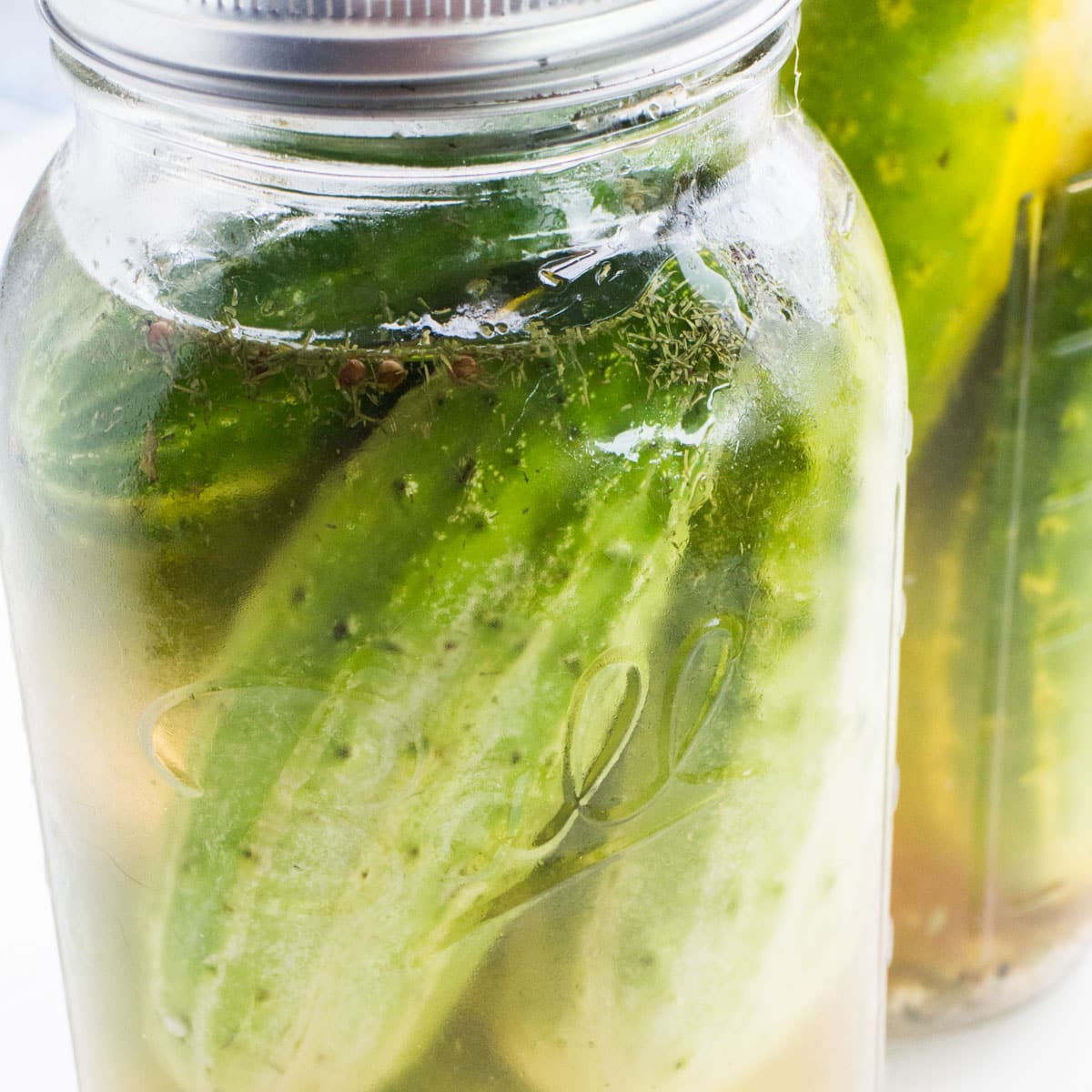
Get That New York Deli Crunch: Your Guide to Half Sour Pickles
If there’s one food that can universally spark joy with its satisfying crunch and tangy zest, it's the humble pickle. But not all pickles are created equal. While many love the sharp, acidic bite of a fully fermented or vinegar-brined dill, there's a unique category that stands out for its unparalleled freshness, milder flavor, and signature snap: the half sour pickle. These aren't just any pickles; they're the quintessential New York deli experience, a crunchy, briny revelation that perfectly bridges the gap between a fresh cucumber and a fully fermented dill.
Imagine walking into a bustling deli, the aroma of pastrami and rye filling the air, and before your meal even arrives, a generous bowl of crisp, vibrant green spears lands on your table. That, my friends, is the magic of
half sour pickles. Their irresistible allure isn't just a matter of taste; it’s a textural masterpiece, a testament to a specific pickling method that preserves the cucumber’s inherent crispness while infusing it with subtle, complex flavors. If you're a true pickle aficionado, preparing these beauties at home is a culinary journey well worth taking, promising a homemade crunch that will have you saying goodbye to store-bought versions for good.
The Secret Behind the Signature Half Sour Magic
What truly distinguishes
half sour pickles from their full-sour cousins or vinegar-based varieties? It all comes down to the brine and the fermentation process – or rather, the *partial* fermentation process.
Saltwater Brine: The Foundation of Flavor
Unlike most pickles that rely heavily on vinegar for their tartness and preservation, half sour pickles are traditionally made using a simple saltwater brine. This method is crucial for several reasons:
- Milder Acidity: Without the overwhelming presence of vinegar, the natural flavors of the cucumber can shine through. The result is a pickle with a much milder, less acidic taste profile.
- Crisp Texture Retention: The saltwater brine helps to draw out some of the water from the cucumbers while firming up their cell walls. This is key to maintaining that signature, satisfying crunch that defines a great half sour. Vinegar can sometimes soften pickles over time, but the saltwater method helps preserve their snap.
- Encourages Fermentation: While mild, the saltwater brine environment encourages the growth of beneficial lactic acid bacteria naturally present on the cucumbers. These bacteria consume sugars in the cucumbers and produce lactic acid, which contributes to the characteristic tang and acts as a natural preservative. This light, controlled fermentation is what gives half sour pickles their unique "in-between" flavor.
The Art of Partial Fermentation
The "half sour" designation isn't just a catchy name; it describes the stage of fermentation. These pickles are essentially young, fresh pickles that haven't fully fermented. They sit in the brine just long enough to develop a delicate tang and absorb the flavors of accompanying aromatics like garlic and dill, but not so long that they become fully sour and translucent, like a traditional deli dill. This abbreviated fermentation period allows the cucumbers to retain their vibrant green color, fresh taste, and that coveted crisp texture. It's a delicate balance, resulting in a pickle that’s wonderfully fresh, slightly tangy, garlicky, and incredibly refreshing.
Crafting Your Own Deli-Style Half Sour Pickles at Home
The good news is that recreating those craveable New York-style
half sour pickles at home is surprisingly straightforward. Forget complex canning methods; these are "refrigerator pickles" in the truest sense, relying on a simple brining process and the chill of your fridge to do all the heavy lifting. Once you taste homemade half sours, you'll likely never go back to store-bought.
Essential Ingredients for Pickle Perfection
Making the best
half sour pickles starts with quality ingredients:
- Fresh Cucumbers: Kirby cucumbers are the undisputed champions for pickling due to their ideal size, thin skin, and firm flesh. However, don't despair if you can't find them! Small Persian cucumbers or even larger slicing cucumbers (cut into spears) can work in a pinch. The key is freshness – the crisper the cucumber, the crisper your pickle.
- Non-Iodized Salt: This is crucial. Use pickling salt, kosher salt, or sea salt that does *not* contain iodine or anti-caking agents, as these can turn your pickles cloudy or soft.
- Filtered Water: Tap water often contains chlorine, which can inhibit the fermentation process and affect flavor. Filtered water is always recommended.
- Fresh Dill: Generous amounts of fresh dill are essential. If you can get your hands on dill heads or flowering dill sprigs, even better, as they impart a deeper dill flavor.
- Garlic: Lots of fresh garlic cloves will give your half sours that quintessential pungent aroma and taste.
- Coriander Seeds: These often-overlooked gems add a warm, citrusy, and slightly nutty note. Fun fact: coriander seeds are the dried fruit of the cilantro plant! If your cilantro bolts, don't pull it; let it go to seed for a free spice!
- Optional Flavor Enhancers: Consider adding a few black peppercorns, mustard seeds, or a bay leaf for extra layers of flavor. Some recipes also include a tiny pinch of red pepper flakes for a subtle kick.
The Simple Refrigerator Method
The process is refreshingly uncomplicated:
- Prepare Your Cucumbers: Wash your cucumbers thoroughly. For optimal crunch, especially with larger cucumbers, it's often recommended to trim off a small slice from both ends. The blossom end (the opposite of where it was attached to the vine) contains enzymes that can sometimes lead to softer pickles. If using larger cucumbers, cut them into spears or thick slices to fit easily into your jars.
- Pack Your Jars: Into clean, sterilized mason jars, tightly pack your cucumbers vertically. Alternate layers with garlic cloves, fresh dill sprigs, and a sprinkle of coriander seeds (and any other desired spices).
- Make the Brine: In a separate bowl or pitcher, dissolve your non-iodized salt in filtered water. Stir until the salt is completely dissolved. The standard ratio is typically around 1.5 to 2 tablespoons of salt per 4 cups of water, but adjust slightly based on preference and specific recipes.
- Pour and Seal: Pour the brine over the packed cucumbers, ensuring they are completely submerged. Leave about ½ inch of headspace at the top. If any cucumbers float, consider using a fermentation weight or a small, clean, brine-filled plastic baggie to keep them under the liquid. Seal the jars with lids.
- Refrigerate and Wait: Place your jars directly into the refrigerator. This cold environment slows down the fermentation process significantly, allowing the flavors to meld gently. While tempting, resist the urge to peek or taste too soon! Most recipes recommend letting your half sour pickles sit in the fridge for at least 4 days for the flavors to properly develop. Many find them absolutely perfect around the 5 to 7-day mark.
Once they're ready, these homemade half sour pickles are so addictive, you might find yourself polishing off a jar in a day or two! If you manage to exercise self-control, they will last beautifully for several weeks in the refrigerator.
Tips for Pickle Perfection: Achieving That Ultimate Crunch
While making half sour pickles is straightforward, a few expert tips can elevate your homemade batch from good to absolutely glorious:
*
Cucumber Freshness is Key: The fresher your cucumbers, the crisper your pickles. Use them within a day or two of picking or purchasing. Older cucumbers can lead to softer pickles.
*
Ice Bath for Extra Snap: For an ultra-crisp pickle, consider soaking your fresh cucumbers in an ice bath for 1-2 hours before pickling. This helps firm up their texture even further.
*
Don't Skip the Ends: As mentioned, trimming both the stem and blossom ends (a small sliver) can help prevent enzymatic softening, especially from the blossom end.
*
Submerge Completely: Ensure all cucumbers are fully submerged in the brine. Any parts exposed to air can become moldy or spoil. Fermentation weights are excellent for this purpose.
*
Taste as You Go (After a Few Days): While a minimum of 4 days is recommended, start tasting around day 4 or 5. Everyone has a different preference for "half sour." You might prefer yours a little fresher or a little more developed.
*
Experiment with Aromatics: Once you master the basic half sour pickle, don't be afraid to experiment. A pinch of red pepper flakes, a few sprigs of fresh tarragon, or even some thinly sliced onion can add intriguing dimensions to your next batch.
*
Keep it Cold: Storing your half sour pickles in the coldest part of your refrigerator helps maintain their crispness and slows down any further fermentation, keeping them at their perfect half-sour stage longer.
Beyond the Jar: Enjoying Your Half Sour Pickles
Once you’ve perfected your batch of
homemade half sour pickles, the possibilities for enjoyment are endless. Of course, they are phenomenal on their own – a truly addictive snack that satisfies every craving. But don't stop there!
Serve them alongside a hearty sandwich, whether it’s a classic pastrami on rye, a juicy burger, or a simple turkey club. Their bright, tangy crunch cuts through the richness of meats and cheeses beautifully, providing a refreshing counterpoint. Chop them up and add them to potato salad or tuna salad for an unexpected burst of flavor and texture. They also make an excellent addition to any charcuterie board or appetizer platter, offering a palate-cleansing element that guests will adore. For an authentic New York deli experience, make sure they’re always on hand!
Conclusion
The journey to making your own half sour pickles is a rewarding one, culminating in a jar full of crunchy, flavorful goodness that tastes just like the best New York delis. From understanding the magic of the saltwater brine and light fermentation to carefully selecting your ingredients and patiently waiting for the flavors to meld, every step contributes to the ultimate pickle experience. So, grab some fresh cucumbers, gather your aromatics, and embark on this delicious adventure. You'll soon discover why these crispy, tangy gems hold such a special place in the hearts (and stomachs!) of pickle lovers everywhere. Dive in and get ready to enjoy that unforgettable New York deli crunch, right from your own fridge!