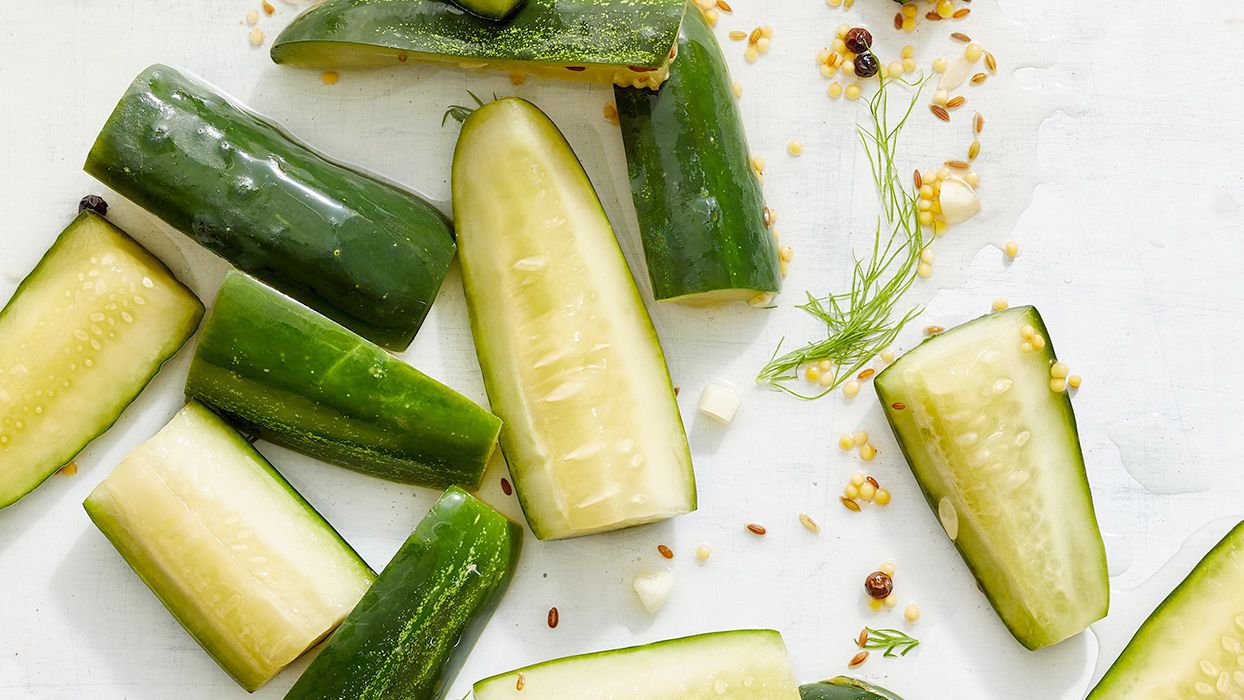
Why Half Sour Pickles Are the Best: Deli Crunch vs. Vinegar
For pickle aficionados, there's a world of briny delights to explore. But ask any true connoisseur, especially those with a soft spot for New York deli classics, and they'll likely declare a clear winner: the **half sour pickle**. These vibrant, crunchy cucumbers aren't just a snack; they're an experience, a perfect marriage of fresh cucumber snap and a sophisticated, tangy zing that traditional vinegar pickles often miss. While their vinegar-laden cousins offer a sharp, acidic bite, half sours present a more nuanced profile, making them the undisputed champion of the pickle jar.
What sets **half sour pickles** apart, elevating them from mere garnish to a culinary star? It all comes down to their unique preparation, a gentle fermentation process that preserves the cucumber's natural freshness and delivers that iconic "deli crunch." Forget the overwhelming pucker of heavily vinegared varieties; half sours offer a balanced, refreshing flavor that keeps you coming back for more.
The Anatomy of a Half Sour: Beyond Just a Pickle
At the heart of a perfect **half sour pickle** lies a fundamental difference in its making: the brine. Unlike fully sour or conventional pickles that rely heavily on vinegar for preservation and flavor, half sours employ a saltwater brine and a partial fermentation process. This distinction is crucial to their unique character.
Saltwater Brine: The Gentle Transformer
Instead of being steeped in a high-acidity vinegar solution, half sour pickles begin their journey in a simple saltwater brine. This brine acts as a gentle catalyst, drawing out natural flavors from the cucumbers while creating an environment conducive to fermentation. This method ensures that the pickles retain a more vibrant, fresh cucumber taste, rather than being overpowered by the sharp notes of vinegar. The salt also helps firm up the cucumber, contributing to that desirable crunch. This subtle approach allows the cucumber itself to shine, offering a clean, crisp foundation for the developing flavors.
The Fermentation Factor: Tang without the Pucker
The magic truly happens during the fermentation process. When submerged in the saltwater brine, beneficial lactic acid bacteria, naturally present on the cucumbers, begin to convert the cucumbers' sugars into lactic acid. This is the same process that gives sourdough bread and yogurt their characteristic tang.
Because the fermentation for **half sour pickles** is stopped *before* the process is complete (hence "half sour"), they don't develop the intense acidity or fully lactic flavor of a traditional full sour pickle. The result is a milder, less acidic flavor with a delightful tang that's balanced by the cucumber's inherent freshness. This partial fermentation not only contributes to their signature taste but also allows them to maintain a remarkably crisp texture, distinguishing them sharply from the often softer, more intensely sour vinegar-based pickles. It’s a delicate dance between raw cucumber and fermented goodness, creating a pickle that is truly in a class of its own.
The Unbeatable Deli Crunch: Why Texture Matters
When you bite into a truly great pickle, the sound is almost as important as the taste. That satisfying *snap* and *crunch* is a hallmark of quality, and it's where **half sour pickles** truly excel. This isn't just a minor detail; it's a core component of their appeal and a significant differentiator from many vinegar-pickled counterparts.
Preserving the Crisp: How Half Sours Maintain Their Snap
The method of making **half sour pickles** is inherently designed to preserve the cucumber's natural crispness. The saltwater brine, coupled with the shorter fermentation period, prevents the cucumber's cell walls from breaking down as much as they might in a prolonged, high-acid vinegar bath. Vinegar, especially when heated for canning, can sometimes soften pickles, leading to a less appealing, mushy texture. Half sours, typically made using a refrigerator method and avoiding high heat, retain their firm, snappy bite. Each pickle offers a gratifying resistance, a testament to its freshness and careful preparation. This textural integrity is a primary reason they are so beloved in delis, where a limp pickle simply won't do. For a deeper dive into achieving this coveted texture, check out our guide on
Get That New York Deli Crunch: Your Guide to Half Sour Pickles.
The Sensory Experience: Crunch, Freshness, and Flavor
Imagine the sensation: you pluck a cool, green spear from the jar. It glistens with brine, and the scent of fresh dill and garlic hints at the treat to come. As you bite, there's an immediate, audible crunch that resonates with freshness. The interior is still vibrant green, not pale and waterlogged. The flavor explodes on your palate – first the clean, vegetal notes of cucumber, followed by a bright, refreshing tang that isn't overwhelming, complemented by savory garlic and herbaceous dill. It’s a symphony of textures and tastes, a perfect balance that leaves your mouth feeling refreshed and ready for the next bite. This intricate sensory experience is what makes **half sour pickles** addictive and memorable, a far cry from the sometimes one-note acidity of fully vinegar-preserved pickles.
Crafting Your Own Half Sour Masterpiece
The good news for pickle enthusiasts is that you don't need to live near a New York deli to experience the magic of **half sour pickles**. Making them at home is surprisingly straightforward, rewarding you with jars of crispy, tangy goodness that rival the best store-bought options.
The Essential Ingredients: Cucumbers, Garlic, and Dill
The foundation of any great pickle is, of course, the cucumber. For half sours, Kirby cucumbers are often recommended due to their firm texture, thin skin, and ideal size. However, don't despair if you can't find them; any pickling cucumber will do. For larger varieties, simply cut them into spears or thick slices to ensure they fit well in your jar and absorb the brine evenly. Just be mindful that cutting them exposes more surface area, which can lead to a slightly saltier taste.
Beyond the cucumber, the supporting cast of aromatics is crucial. Fresh garlic cloves, often crushed or sliced, infuse the pickles with a pungent, savory depth. Fresh dill, with its delicate, grassy notes, is absolutely essential – often both dill heads and sprigs are used for maximum flavor. Many recipes also call for a touch of coriander seeds, which, if you've ever let a cilantro plant go to seed, you'll know are wonderfully aromatic and add a subtle citrusy, peppery note. Don't skip these seasonings; they are what transform a brined cucumber into a flavorful **half sour pickle**.
Refrigerator Method: Simplicity and Speed
One of the most appealing aspects of making **half sour pickles** at home is the "refrigerator pickle" method. This eliminates the need for complicated canning procedures, making it accessible even for novice picklers. Simply prepare your cucumbers, pack them tightly into clean mason jars with your chosen aromatics, pour over a cooled saltwater brine, and then let them do their magic in the refrigerator.
The key to developing their signature flavor and texture is patience – allow them to sit in the fridge for at least 4 days before indulging. During this time, the gentle fermentation will occur, and the flavors will meld. While they might be irresistible after a few days, their flavor will continue to deepen over a week or two. Properly stored in the refrigerator, these homemade beauties can last for several weeks. For a step-by-step guide to this easy method, consult our article on
Mastering Homemade Half Sour Pickles: Easy Refrigerator Recipe.
More Than Just a Snack: Versatility and Enjoyment
While a crunchy **half sour pickle** spear straight from the jar is undoubtedly one of life's simple pleasures, their versatility extends far beyond a standalone snack. Their balanced flavor and satisfying crunch make them an excellent addition to a wide array of dishes, elevating meals with their unique character.
Consider them a crucial component of any deli spread: nestled alongside pastrami or corned beef on rye, their bright tang cuts through the richness of the meat and cheese. They are a welcome counterpoint on a charcuterie board, offering a refreshing palate cleanser between bites of cured meats and cheeses. Chopped **half sour pickles** can add a zesty crunch to potato salads, tuna melts, or even deviled eggs, providing a more complex flavor than standard dill pickles. Their less acidic profile also makes them fantastic with grilled foods, fish tacos, or even as a surprising ingredient in a Bloody Mary. Once you discover the fresh, addictive quality of half sours, you'll find yourself reaching for them constantly, understanding why they're so popular and often finished in a jar within a day or two!
Conclusion
In the perennial debate between deli crunch and vinegar, **half sour pickles** emerge as the clear winner for those who appreciate balance, freshness, and an unparalleled texture. Their gentle saltwater brine and partial fermentation create a pickle that's less acidic than its vinegar-laden counterparts, yet bursting with a nuanced tang and that unmistakable, satisfying snap. They bridge the gap between a fresh cucumber and a fully fermented pickle, offering the best of both worlds. Whether enjoyed straight from the jar, alongside a hearty sandwich, or as a vibrant addition to a gourmet platter, the half sour pickle offers a refreshing, addictive experience that truly embodies the art of pickling. So, next time you're craving a pickle, reach for the half sour – your taste buds will thank you.